
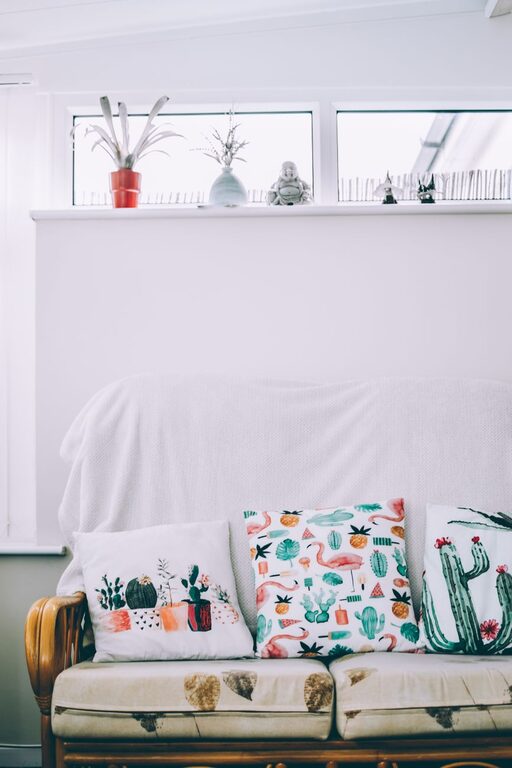
A dark room can feel cramped, gloomy, and uninviting. Whether it’s a living room, bedroom, or any other space, insufficient light can affect your mood and the overall ambiance of your home. The good news is, you don’t need major renovations or bright sunlight to transform a dark room into a bright, cheerful space. With some practical ideas and a bit of creativity, you can enhance natural and artificial light and make any room feel lighter and more spacious.
In this post, we’ll explore quick and easy ways to brighten a dark room, from adjusting your décor to strategic lighting choices.
1. Maximize Natural Light
Clean Windows and Remove Obstructions
Start by cleaning your windows inside and out. Dirty windows block sunlight from entering your space. Also, trim any outdoor plants or trees that might be shading the window. Indoors, avoid heavy or dark window treatments that prevent light from coming in.
Use Sheer Curtains
Replace thick drapes with sheer or light-filtering curtains. Sheer fabrics let sunlight shine through while providing privacy. If privacy is not an issue, you might even consider skipping curtains entirely to let light flood the space.
2. Choose Light Colors for Walls and Ceiling
Paint with Light, Reflective Colors
Walls and ceilings painted in light colors can reflect natural and artificial light, making the room appear brighter. Whites, pale blues, soft grays, and light pastels are excellent choices. Avoid dark or bold colors, which absorb light and deepen shadows.
Consider Semi-Gloss or Satin Finishes
Choose paint with a satin or semi-gloss finish rather than matte. These finishes reflect more light, adding subtle brightness without being shiny.
3. Use Mirrors to Reflect Light
Place Mirrors Strategically
Mirrors bounce light around a room and create the illusion of more space. Position a large mirror opposite or adjacent to a window to reflect sunlight deeper into the room. Even small mirrors grouped together can enhance brightness.
Decorative Mirror Designs
Choose mirrors with interesting frames or shapes that also serve as décor, adding style along with function.
4. Add Artificial Lighting
Layer Your Lighting
Combine different types of lighting to create a bright, well-lit environment.
– Ambient Lighting: Overhead lights like ceiling fixtures or chandeliers provide overall illumination.
– Task Lighting: Table lamps, floor lamps, and under-cabinet lights help with specific activities.
– Accent Lighting: Wall sconces or LED strips highlight artwork or architectural features.
Choose Bright, Warm Bulbs
Select LED bulbs with a color temperature between 2700K and 3000K for warm, inviting light that mimics natural sunlight. LEDs are energy-efficient and available in various brightness levels.
Use Lampshades Wisely
Opt for lampshades made of light or translucent materials that allow light to diffuse softly. Avoid dark or heavy lampshades that block light.
5. Keep Furniture and Accessories Light and Reflective
Select Light-Colored Furniture
Choose sofas, chairs, and tables in white, beige, or pastel colors to keep the room feeling open and bright. Dark furniture can make a space look heavier and darker.
Incorporate Glass and Metallic Elements
Furniture with glass tops or metallic finishes reflects light and adds a modern, airy feel. For example, a glass coffee table or chrome accents can brighten the room.
Minimize Clutter
A cluttered room feels darker and smaller. Keep surfaces tidy, organize belongings, and use smart storage solutions to keep the space open and visually light.
6. Add Bright Textiles and Decor
Use Colorful, Light Fabrics
Bright throw pillows, light rugs, and airy curtains in cheerful colors or patterns can add life to the room without weighing it down.
Incorporate Plants
Indoor plants not only improve air quality but also add freshness and color. Choose plants that thrive in low-light conditions if sunlight is scarce.
7. Reflective Flooring Options
Light-Colored Flooring
If you’re considering a bigger change, light hardwood floors, laminate, or tile can brighten the entire space. Area rugs in light colors also help if replacing floors is not an option.
Polished Surfaces
Glossy or polished flooring reflects light better than matte finishes, contributing to an overall brighter appearance.
8. Use Transparent or Open Furniture
Pieces made from acrylic or glass, or those with open legs rather than solid bases, allow light to flow through and create a sense of openness.
9. Keep Doors Open
If possible, leave interior doors open to allow light to travel through adjoining rooms. Using glass doors, such as French doors, can also help share light between spaces.
10. Consider Skylights or Additional Windows
While this suggestion is more involved, installing skylights or creating additional windows can dramatically increase natural light. If a full installation isn’t practical, small glass blocks or solar tubes can bring in daylight without major construction.
—
Final Thoughts
Brightening a dark room doesn’t have to be complicated or expensive. Simple adjustments like light wall colors, mirrors, layered lighting, and light fabrics can make a huge difference. Experiment with these ideas to create a welcoming, bright space that feels larger and more cheerful. Remember, small changes can have a big impact on how your room feels.
Give some of these tips a try and enjoy a brighter, more uplifting home environment!
About the Author