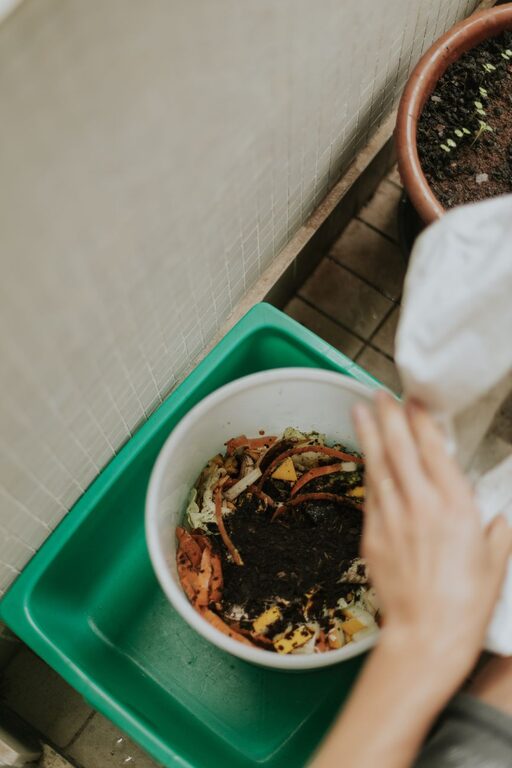
Composting at home is an environmentally friendly practice that turns kitchen scraps and yard waste into nutrient-rich soil. Whether you have a large garden or a small balcony, composting can help reduce waste and improve your plants’ health. If you’re new to composting, these beginner tips will guide you through the basics and help you start your own compost pile or bin successfully.
What is Composting?
Composting is the natural process of recycling organic materials, such as fruit scraps, leaves, and grass clippings, into a dark, crumbly substance called humus. This humus enriches soil by adding nutrients, improving texture, and helping retain moisture. Composting reduces the amount of waste sent to landfills and decreases greenhouse gas emissions.
Benefits of Composting at Home
– Reduces waste: Diverts organic materials from the trash.
– Enriches soil: Supplies essential nutrients for healthy plants.
– Improves soil structure: Enhances water retention and aeration.
– Saves money: Minimizes the need for chemical fertilizers.
– Supports sustainability: Contributes to a greener environment.
Getting Started: Choose Your Composting Method
There are several ways to compost at home, depending on your space and lifestyle:
1. Compost Bin
A compost bin is a container that holds your compost materials. It helps keep the pile tidy, retains heat, and keeps pests away. Bins come in various sizes and materials, including plastic, metal, or wood.
2. Compost Pile
If you have a backyard, you can create an open compost pile. This method is free and easy but requires a bit more management to maintain proper conditions.
3. Worm Composting (Vermicomposting)
Using worms to break down food scraps is ideal for those with limited outdoor space. Worm bins can be kept indoors or on a balcony.
What Materials Can You Compost?
Compost needs a mix of two types of materials: “greens” and “browns.”
Greens (Nitrogen-rich materials)
– Fruit and vegetable scraps
– Coffee grounds and filters
– Tea bags (without staples)
– Fresh grass clippings
– Plant trimmings
Browns (Carbon-rich materials)
– Dry leaves
– Straw or hay
– Shredded newspaper or cardboard
– Sawdust (from untreated wood)
– Twigs and small branches
Materials to Avoid
– Meat, dairy, and oily foods (attract pests)
– Diseased plants or weeds that have gone to seed
– Pet waste
– Inorganic materials like plastics or metals
Setting Up Your Compost
- **Pick a Location:** Choose a spot that’s convenient and has good drainage. Partial shade helps prevent the pile from drying out too quickly.
- **Start with a Base Layer:** Lay down coarse browns like twigs or straw to help air circulate at the bottom.
- **Add Materials in Layers:** Alternate between greens and browns. An ideal ratio is about 2 to 3 parts browns to 1 part greens.
- **Moisten the Pile:** The compost should be as damp as a wrung-out sponge. If it’s dry, sprinkle some water.
- **Turn Regularly:** Use a garden fork or compost turner to mix the pile every 1-2 weeks. This aerates the compost and speeds up decomposition.
Tips for Successful Composting
– Balance is key: Too many greens can cause a smelly pile; too many browns slow decomposition.
– Chop materials: Smaller pieces break down faster.
– Monitor moisture: Compost should not be soggy or dry.
– Be patient: Composting can take from a few weeks to several months.
– Use finished compost: When it’s dark, crumbly, and earthy-smelling, it’s ready to use.
Troubleshooting Common Issues
| Problem | Cause | Solution |
|———————–|———————————|——————————–|
| Smelly compost | Too wet or too many greens | Add more browns; turn pile |
| Slow decomposition | Too dry or compacted | Add water; turn more often |
| Pests or rodents | Food scraps exposed | Bury food scraps; use bin with lid |
| Compost pile too hot | Microbial activity too high | Turn pile; add more browns |
Using Your Compost
Once your compost is ready, use it to:
– Mix into garden beds to improve soil quality
– Mulch around plants to retain moisture and suppress weeds
– Potting mix additive for container gardens
Final Thoughts
Composting at home is a rewarding activity that benefits both the environment and your garden. Starting small and keeping the process simple will help you build confidence. Remember, composting is a natural process, so each pile is unique. With patience and care, you’ll soon enjoy rich, homemade compost that supports healthy plants and cuts down on waste.
Happy composting!
About the Author