Reducing food waste at home is a valuable goal that benefits not only your wallet but also the environment. Each year, millions of tons of food are discarded unnecessarily, contributing to landfill waste and wasted resources. Fortunately, there are many easy and practical steps you can take to cut down on food waste while still enjoying delicious meals. In this post, we’ll explore effective ways to reduce food waste in your kitchen.
Why Reducing Food Waste Matters
Before diving into solutions, it’s worth understanding why food waste is a concern. When food is wasted, all the water, energy, and labor that went into producing, transporting, and storing that food is also wasted. Additionally, decomposing food in landfills releases methane, a potent greenhouse gas. Reducing food waste helps conserve natural resources and reduces your household’s environmental footprint.
Plan Your Meals and Shop Smart
One of the easiest ways to prevent food waste is to plan ahead before shopping or cooking.
Make a Weekly Meal Plan
– Decide what meals you want to prepare for the week.
– Check what ingredients you already have to avoid buying duplicates.
– Write a shopping list based on your meals.
Shop with a List and Stick to It
Impulsive buying often leads to buying more than you need. A list keeps you focused on necessary items.
Buy Only What You Can Use
Avoid bulk buying perishables unless you are confident you will use them before they spoil. Consider your household size and eating habits.
Store Food Properly to Extend Freshness
Proper storage helps keep food fresh longer and prevents premature spoilage.
Use Airtight Containers and Wraps
Store leftovers and opened packages in airtight containers or resealable bags to prevent exposure to air.
Keep Fruits and Vegetables Separate
Some fruits release ethylene gas, which can cause veggies to spoil faster. Store these items separately in the fridge.
Understand Storage Needs
– Leafy greens: Wrap in paper towels and place in breathable bags.
– Tomatoes: Store at room temperature to maintain flavor.
– Bread: Freeze excess to prevent mold.
Use Leftovers Creatively
Leftover food is often the easiest area to reduce waste.
Repurpose Leftovers
– Turn leftover vegetables into soups or stir-fries.
– Use stale bread to make croutons or bread pudding.
– Incorporate cooked grains into salad bowls.
Schedule Leftover Nights
Set aside one or two nights a week to clear out remaining food before cooking new meals.
Practice Portion Control
Cooking or serving too much food can lead to uneaten leftovers.
– Start with smaller portions and go back for seconds if still hungry.
– Use smaller plates to help control serving sizes.
Keep Track of Expiration Dates
Keeping an eye on expiration dates helps ensure you use items before they go bad.
Organize Your Pantry and Fridge
Place newer items behind older ones so you use the oldest food first.
Use Labels
Write purchase or opening dates on perishable packages to keep track of freshness.
Compost Food Scraps
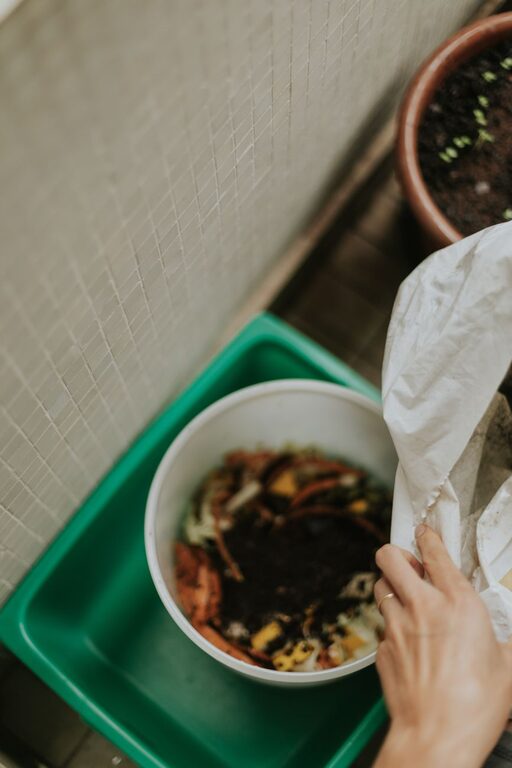
Not all food scraps need to go in the trash. Composting vegetable peels, coffee grounds, and eggshells turns waste into nutrient-rich soil for gardening.
Start a Compost Bin
– Choose a compost bin or create a simple pile.
– Add a balance of green (food scraps) and brown (dry leaves) materials.
– Turn the compost regularly to speed decomposition.
Educate Your Household
Sharing knowledge about food waste reduction encourages everyone to participate.
– Talk with family members about meal planning and proper storage.
– Involve kids in cooking and composting to build awareness.
Summary
Reducing food waste at home is manageable with a few thoughtful habits. By planning meals, storing food properly, using leftovers creatively, controlling portions, tracking expiration dates, composting scraps, and involving your household, you can make a meaningful impact. These actions not only help save money but also contribute to a healthier planet.
Start small and gradually incorporate these practices into your routine. Over time, you’ll notice less waste, more savings, and a more sustainable kitchen.
About the Author